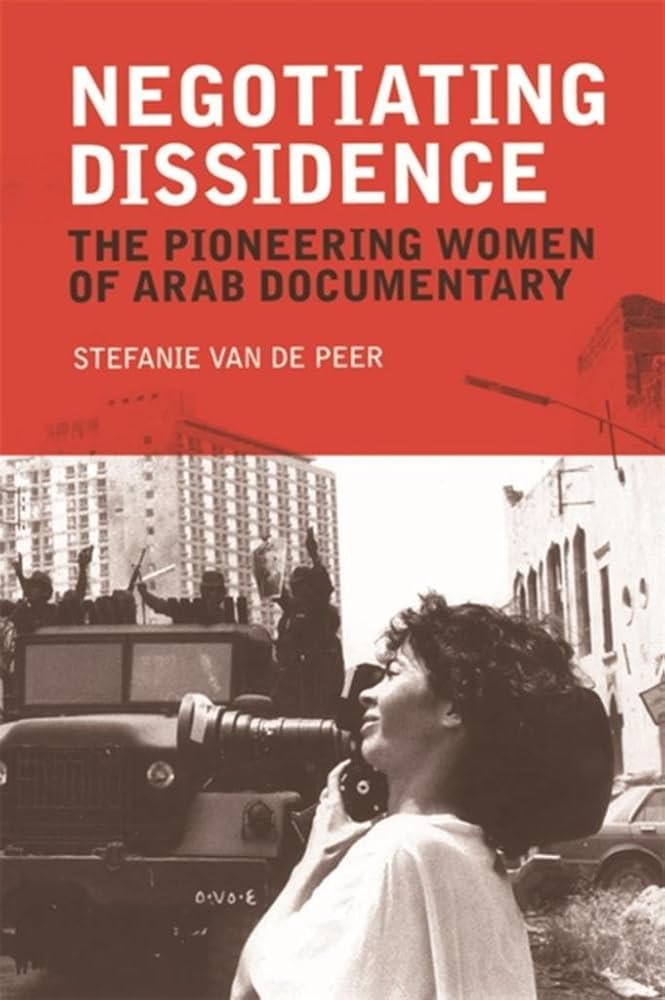
Negociating dissidence the pioneering Women of Arab Documentary

Cet ouvrage examine comment les femmes documentaristes du monde arabe ont trouvé des moyens de négocier subtilement la dissidence dans leurs films malgré la censure sévère, la morale conservatrice et le manque d’investissements. Stefanie Van de Peer retrace les tout débuts des femmes arabes réalisant des documentaires au Moyen-Orient et en Afrique du Nord, des années 1970 et 1980 en Égypte et au Liban, aux années 1990 et 2000 au Maroc et en Syrie.

Le livre aborde le contexte de production, de distribution et de diffusion des films, et examine comment ces documentaristes ont exprimé le désaccord avec les outils à leur disposition. L’ouvrage se concentre sur sept réalisatrices pionnières : l’Égyptienne Ateyyat El Abnoudy, la Libanaise Jocelyne Saab, la Tunisienne Selma Baccar, l’Algérienne Assia Djebar, la Palestinienne Mai Masri, la Marocaine Izza Génini et la Syrienne Hala Alabdallah Yaktoub. Ces femmes sont considérées comme des pionnières parce qu’elles représentent les exemples les plus significatifs et les plus influents, et ont développé des styles de réalisation dissidents dans des environnements souvent hostiles où la censure et les attitudes conservatrices envers les femmes et le genre ont dominé.
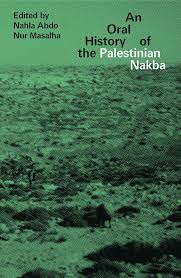
An Oral History of the Palestinian Nakba

In 2018, Palestinians mark the 70th anniversary of the Nakba, when over 750,000 people were uprooted and forced to flee their homes in the early days of the Israeli-Palestinian conflict. Even today, the bitterness and trauma of the Nakba remains raw, and it has become the pivotal event both in the shaping of Palestinian identity and in galvanising the resistance to occupation.

Unearthing an unparalleled body of rich oral testimony, An Oral History of the Palestinian Nakba tells the story of this epochal event through the voices of the Palestinians who lived it, uncovering remarkable new insights both into Palestinian experiences of the Nakba and into the wider dynamics of the ongoing conflict. Drawing together Palestinian accounts from 1948 with those of the present day, the book confronts the idea of the Nakba as an event consigned to the past, instead revealing it to be an ongoing process aimed at the erasure of Palestinian memory and history. In the process, each unique and wide-ranging contribution leads the way for new directions in Palestinian scholarship.

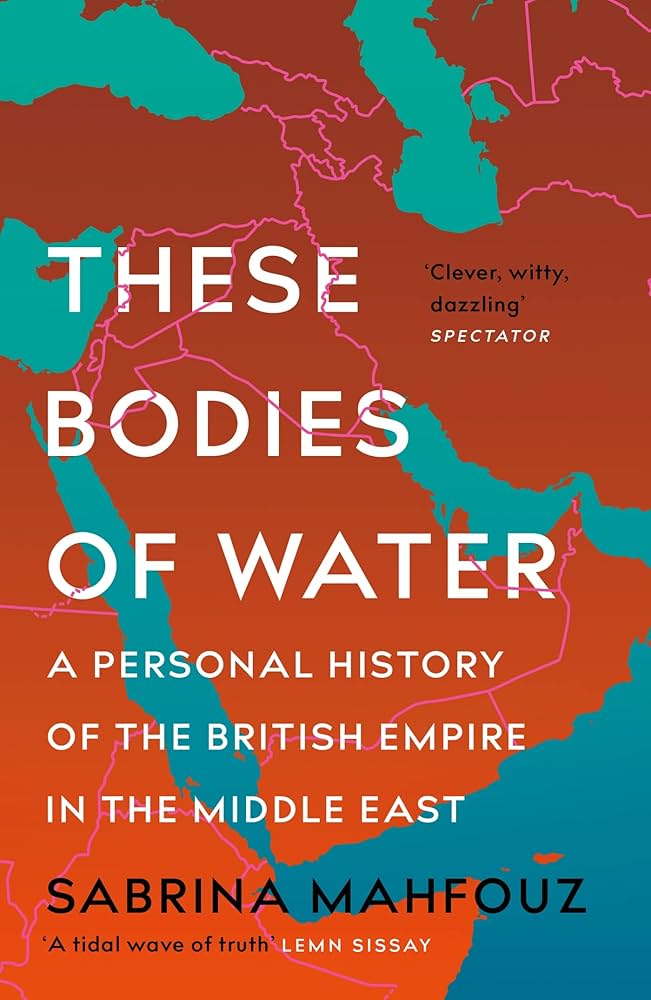
These Bodies of Water : A personal history of the british empire in the middle east

After a challenging job interview, Sabrina Mahfouz confronted a persistent question about whether she could be trusted as a woman of Middle Eastern heritage. She traced this back to the British Empire’s historical dominance in the Middle East. The book combines memoir, history, politics, myth and poetry, following Middle Eastern coastlines and waterways vital to the Empire’s influence. It explores Britain’s relationship with the Middle East and how imperialism continues to affect contemporary identity and belonging.

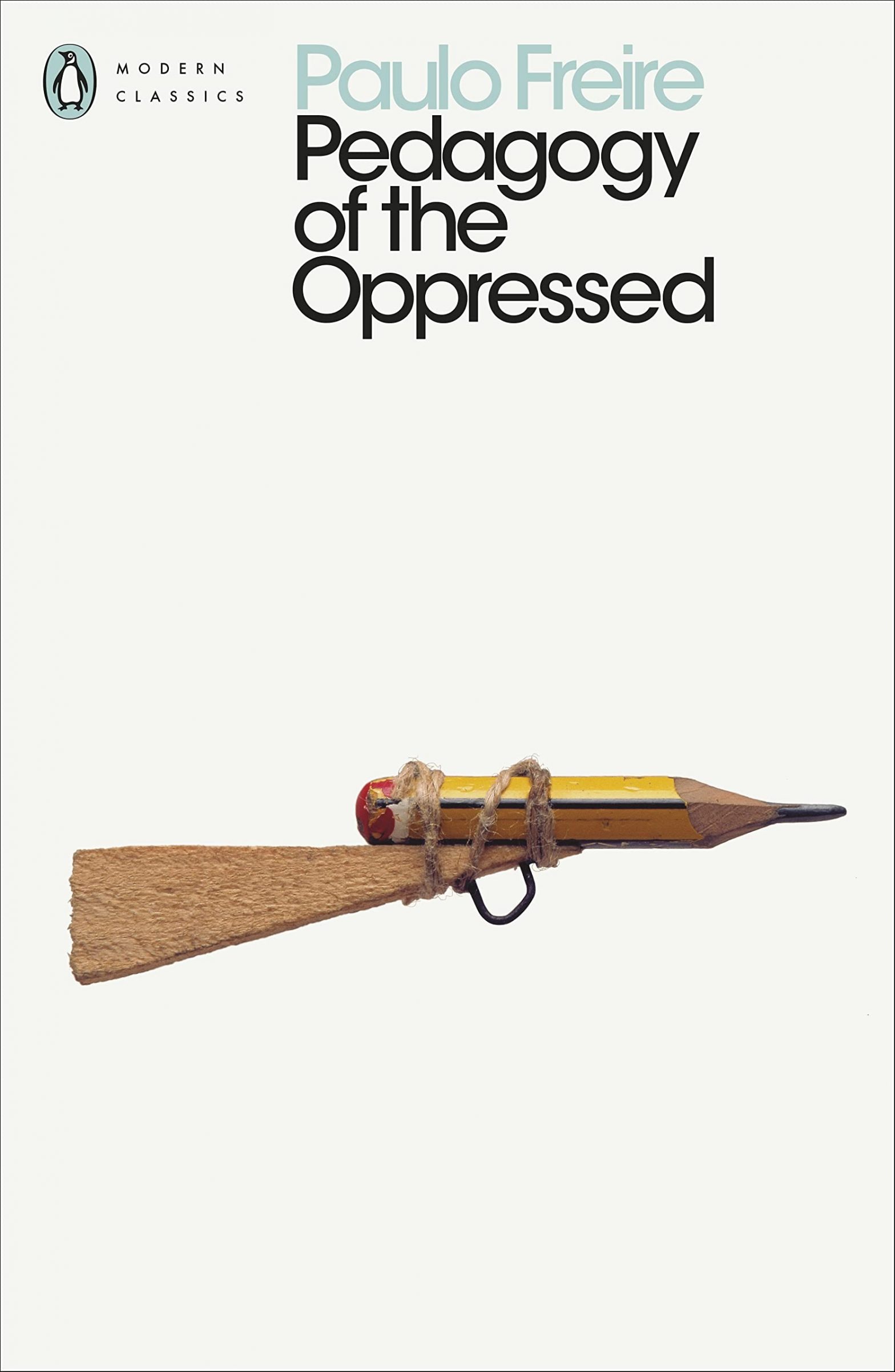
Pedagody of the Oppressed

This seminal text argues that the perceived passivity of the poor is the direct result of economic, social and political domination. The book suggests that in some countries the oppressors use the ‘piggy bank’ system – treating students as passive, empty vessels – to preserve their authority and maintain a culture of silence. Through cooperation and dialogue, Freire suggests, the authoritarian teacher-pupil model can be replaced with critical thinking so that the student becomes co-creator of knowledge. Crucial to Freire’s argument is the belief that every human being, no matter how impoverished or illiterate, can develop an awareness of self, and the right to be heard.

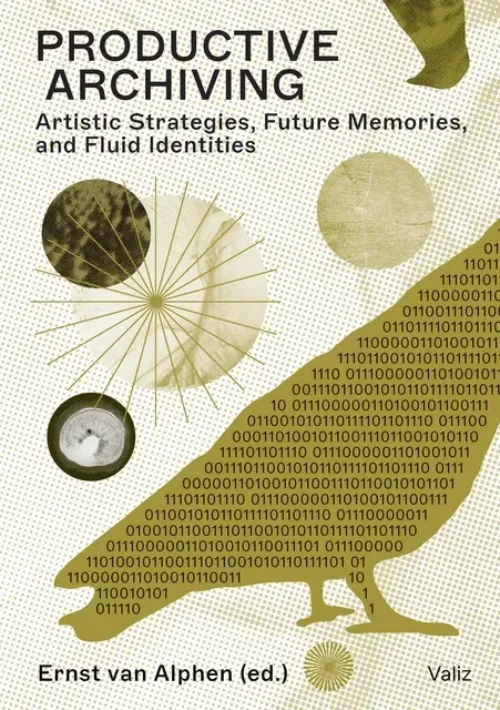
Aphen, Ernst van (dir.)

Productive Archiving discusses overlooked problems in archival organizations, focusing on three main issues: inclusion or exclusion from archives, loss of individuality through homogenization, and identity pigeonholing. The book argues that avoiding archives is not viable since archival organization fundamentally structures how we organize our lives and understanding of past, present, and future. Instead, it explores constructive creative solutions to these problems, particularly through artistic archives that offer speculative and unexpected ways to order, select, and narrate information, creating new connections and archival organizations.

Altanian, Mélanie

The injustice of genocide denial is commonly understood as a violation of the dignity of victims, survivors, and their descendants, and further described as an assault on truth and memory. This book rethinks the normative relationship between dignity, truth, and memory in relation to genocide denial by adopting the framework of epistemic injustice.

The framework introduces constructive normative vocabulary into genocide scholarship through which we can gain a better understanding of the normative impacts of genocide denial when it is institutionalized and systematic, and develops and enriches current scholarship on epistemic injustice with a further, underexplored case study. Genocide denialism is relevant for political and social epistemology, as it presents a substantive epistemic practice that distorts normativity and social reality in ways that maintain domination. The framework shows how denial generates pervasive ignorance that makes denial rather than recognition of genocide appear as the morally and epistemically right thing to do. By focusing on the prominent case of Turkey’s denialism of the Armenian genocide, the book shows the serious consequences of this kind of epistemic injustice for the victim group and society as a whole.

The book will appeal to students and scholars working in social, political, and applied epistemology, social and political philosophy, genocide studies, Armenian studies, and memory studies.

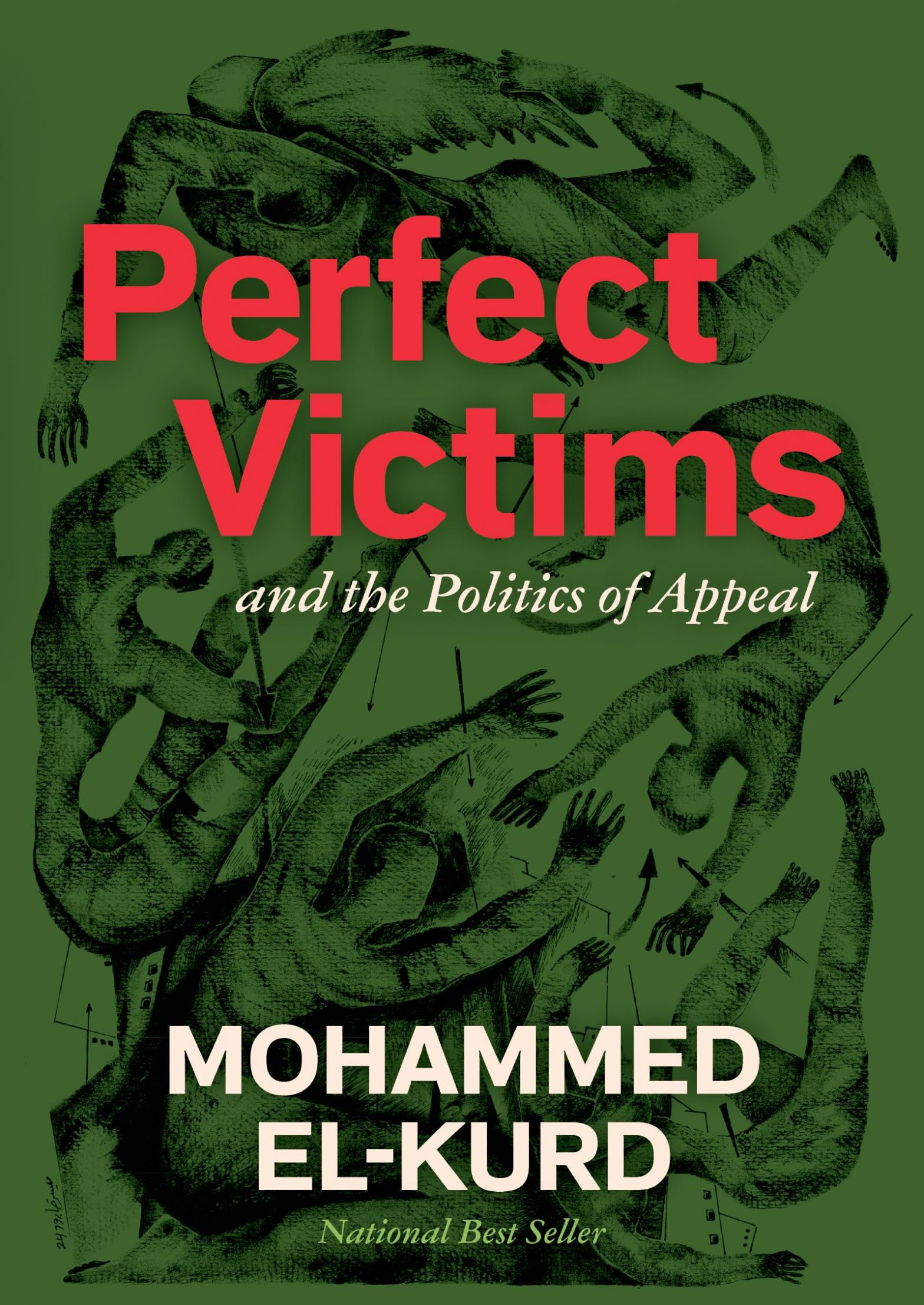
Mohammed El-Kurd

Palestine is a microcosm of the world: on fire, stubborn, fragmented, dignified. While a settler colonial state continues to inflict devastating violence, fundamental truths are deliberately obscured—the perpetrators are coddled while the victims are blamed and placed on trial.

Why must Palestinians prove their humanity? And what are the implications of such an infuriatingly impossible task? With fearless prose and lyrical precision, Mohammed El-Kurd refuses a life spent in cross-examination. Rather than asking the oppressed to perform a perfect victimhood, El-Kurd asks friends and foes alike to look Palestinians in the eye, forgoing both deference and condemnation.

How we see Palestine reveals how we see each other; how we see everything else. Masterfully combining candid testimony, history, and reportage, Perfect Victims presents a powerfully simple demand: dignity for the Palestinian.

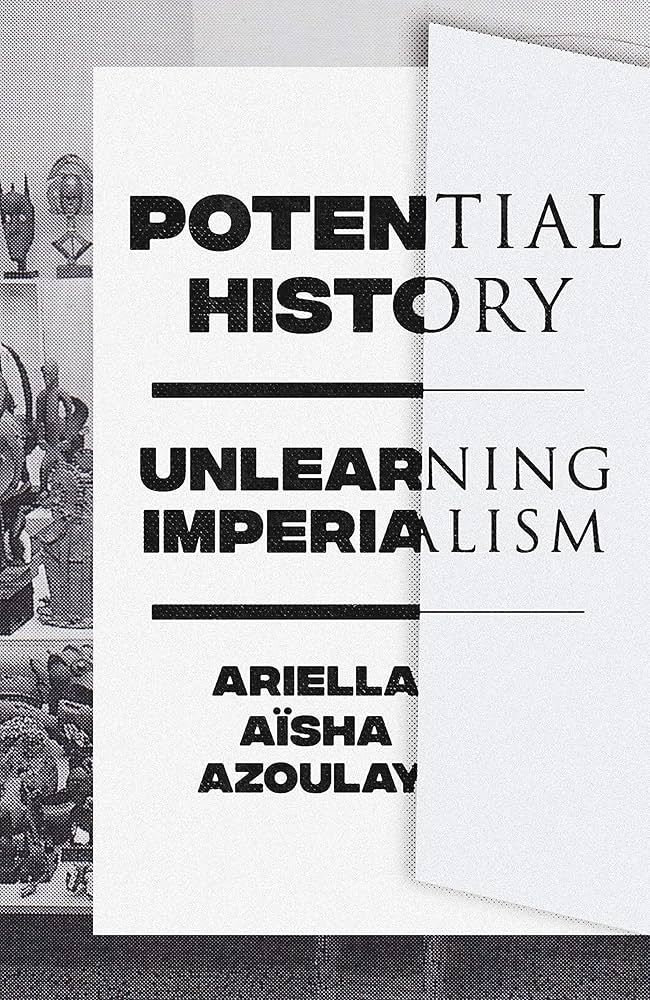
Azoulay, Ariella Aïsha

A passionately urgent call for all of us to unlearn imperialism and repair the violent world we share

In this theoretical tour-de-force, renowned scholar Ariella Aïsha Azoulay calls on us to recognize the imperial foundations of knowledge and to refuse its strictures and its many violences.

Azoulay argues that the institutions that make our world, from archives and museums to ideas of sovereignty and human rights to history itself, are all dependent on imperial modes of thinking. Imperialism has segmented populations into differentially governed groups, continually emphasised the possibility of progress while trying to destroy what came before, and voraciously sought out the new by sealing the past away in dusty archival boxes and the glass vitrines of museums.

By practising what she calls potential history, Azoulay argues that we can still refuse the imperial violence that shattered communities, lives, and worlds, from native peoples in the Americas to the Congo ruled by Belgium’s brutal King Léopold II, from dispossessed Palestinians in 1948 to displaced refugees in our own day. In Potential History, Azoulay travels alongside historical companions — an old Palestinian man who refused to leave his village in 1948, an anonymous woman in war-ravaged Berlin, looted objects and documents torn from their worlds and now housed in archives and museums — to chart the ways imperialism has sought to order time, space, and politics.

Rather than looking for a new future, Azoulay calls upon us to rewind history and unlearn our imperial rights, to continue to refuse imperial violence by making present what was invented as « past » and making the repair of torn worlds the substance of politics.

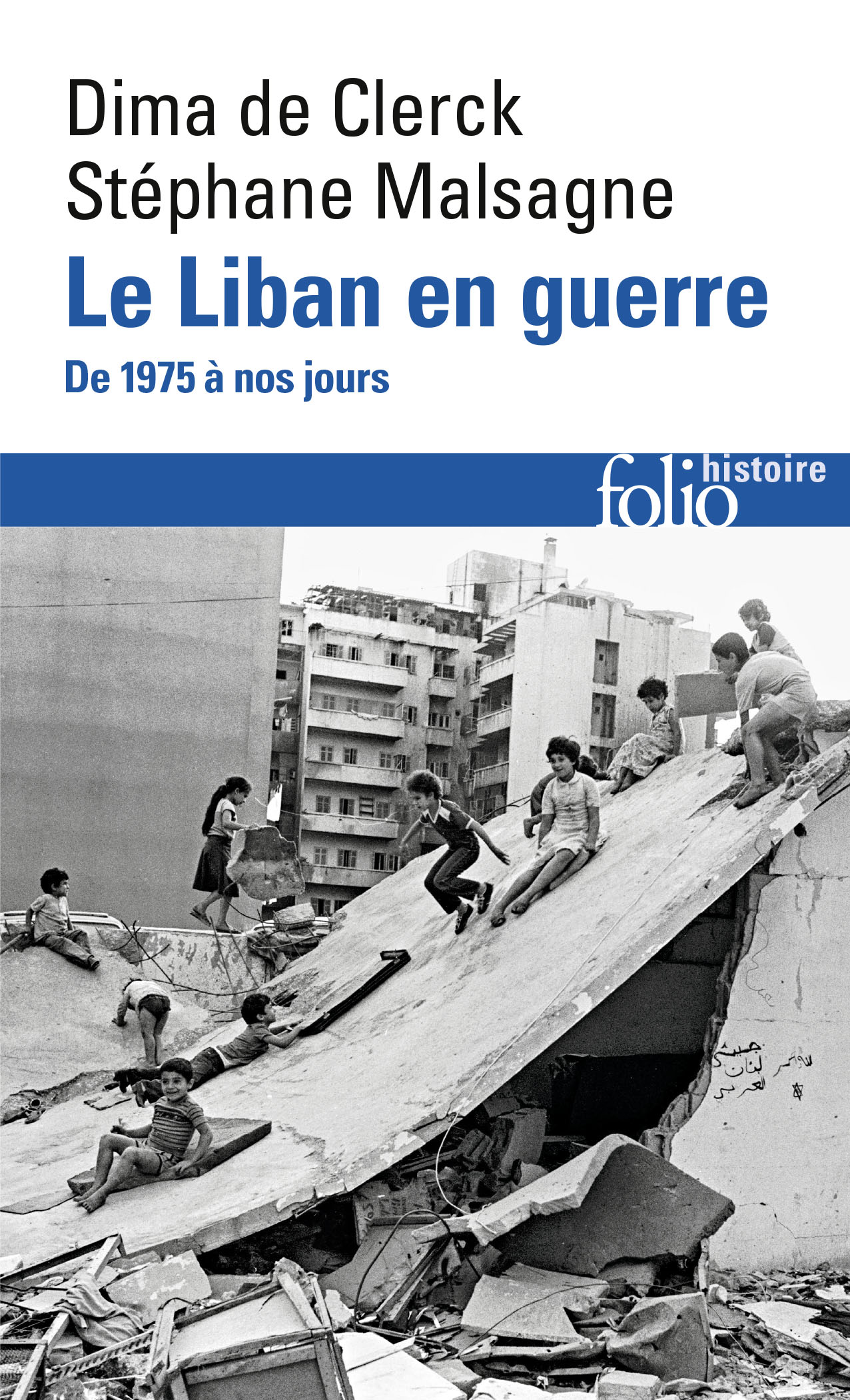
De Clerck, Dima ; Malsagne, Stéphane

De 1975 à 1990, le Moyen-Orient est ébranlé par l’un des conflits les plus longs et les plus destructeurs de son histoire contemporaine. Rupture traumatique fondamentale pour les Libanais, ce conflit aux multiples facettes et enjeux est l’une des sources majeures qui éclaire les impasses d’un Liban en crise profonde depuis les événements d’octobre 2019. Il préfigure aussi à bien des égards les violences extrêmes (massacres, crimes de guerre et déplacements de population) à l’oeuvre en ex-Yougoslavie aux lendemains de la guerre froide, et dans les guerres du XXIe siècle en Irak, en Syrie et au Yémen.

Longtemps réduite à sa dimension de guerre civile ou de conflit à dimension régionale, la guerre du Liban est d’abord un conflit fortement connecté à l’espace-monde, aux fortes implications militaires, politiques, économiques, sociales, mais aussi culturelles. Le renouvellement récent et profond de l’historiographie sur le sujet invite plus que jamais à proposer une nouvelle lecture de ce conflit global.

Khalidi, Rashid

Rashid Khalidi nous donne à lire une histoire restée jusqu’ici inédite, celle d’un Etat palestinien qui n’a jamais réussi à se créer.
A partir d’un travail en profondeur sur les sources, arabe, britannique et française, l’auteur nous permet de comprendre pourquoi l’Etat palestinien est resté introuvable.
Volontiers critique, à propos notamment des divisions intra-palestiniennes, Khalidi reconstitue la généalogie complexe des difficultés de la Palestine à exister, encerclée par les ingérences extérieures, anglaises hier et américaines aujourd’hui.
Dans un Moyen Orient assombri par l’intensité des conflits qui le traverse, voici un essai lumineux pour avoir enfin les idées claires sur une question centrale, la question palestinienne.

NEWSLETTER

Chaque mois, prenez le temps d’embrasser quelques minutes de réconfort avec les productions culturelles du monde arabe et maghrébin, présentées par la newsletter du mat3amclub !