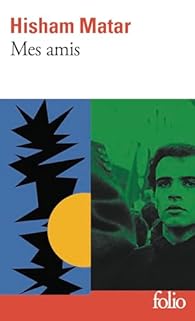
Mes Amis

Lorsque le jeune Khaled découvre à Benghazi, attablé avec ses parents autour du poste de radio, la puissance d’une nouvelle lue par un grand journaliste libyen expatrié à Londres, il est loin d’imaginer qu’un jour il vivra lui-même dans cet eldorado, et qu’il deviendra l’ami de l’auteur de ce texte, le brillant Hossam. Une trentaine d’années plus tard, le même Khaled se balade dans les rues londoniennes et retrace sa vie d’exil, de son arrivée imprévue à Londres, encore étudiant animé d’idéaux politiques, à ses longues amitiés si essentielles avec Hossam et Mustafa, un autre expatrié libyen. Alors que ses deux amis font le choix de retourner sur leur terre pour combattre la dictature de Kadhafi, Khaled, plus tiraillé, prend racine dans une existence loin des siens. Son amour de la littérature et la force de ses amitiés l’empêcheront-ils de ressentir le poids du regret ? Bouleversante déambulation dans les souvenirs et dans un Londres magnifié, Mes amis explore avec une grande délicatesse le conflit intérieur lié à chaque exil. Tout en dévoilant de manière unique l’histoire déchirante de la Libye et de sa révolution récente, Hisham Matar nous émerveille par la force de son écriture, aussi subtile qu’intense.

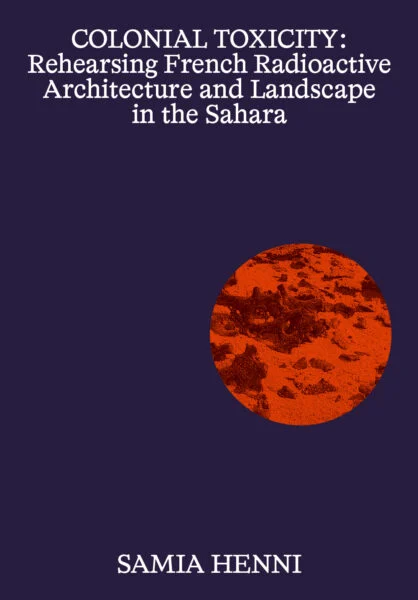
Colonial Toxicity: Rehearsing French Radioactive Architecture and Landscape in the Sahara

Between 1960 and 1966, the French colonial regime detonated four atmospheric atomic bombs, thirteen underground nuclear bombs and conducted other nuclear experiments in the Algerian Sahara, whose natural resources were being extracted in the process. This secret nuclear weapons programme, whose archives are still classified, occurred during and after the Algerian Revolution, or the Algerian War of Independence (1954–1962).

The publication brings together nearly six hundred pages of materials documenting this violent history of France’s nuclear bomb programme in the Algerian desert. Meticulously culled together by the architectural historian from across available, offered, contraband, and leaked sources, the book is a rich repository for all those concerned with histories of nuclear weapons and engaged at the intersections of spatial, social and environmental justice, as well as anticolonial archival practices.

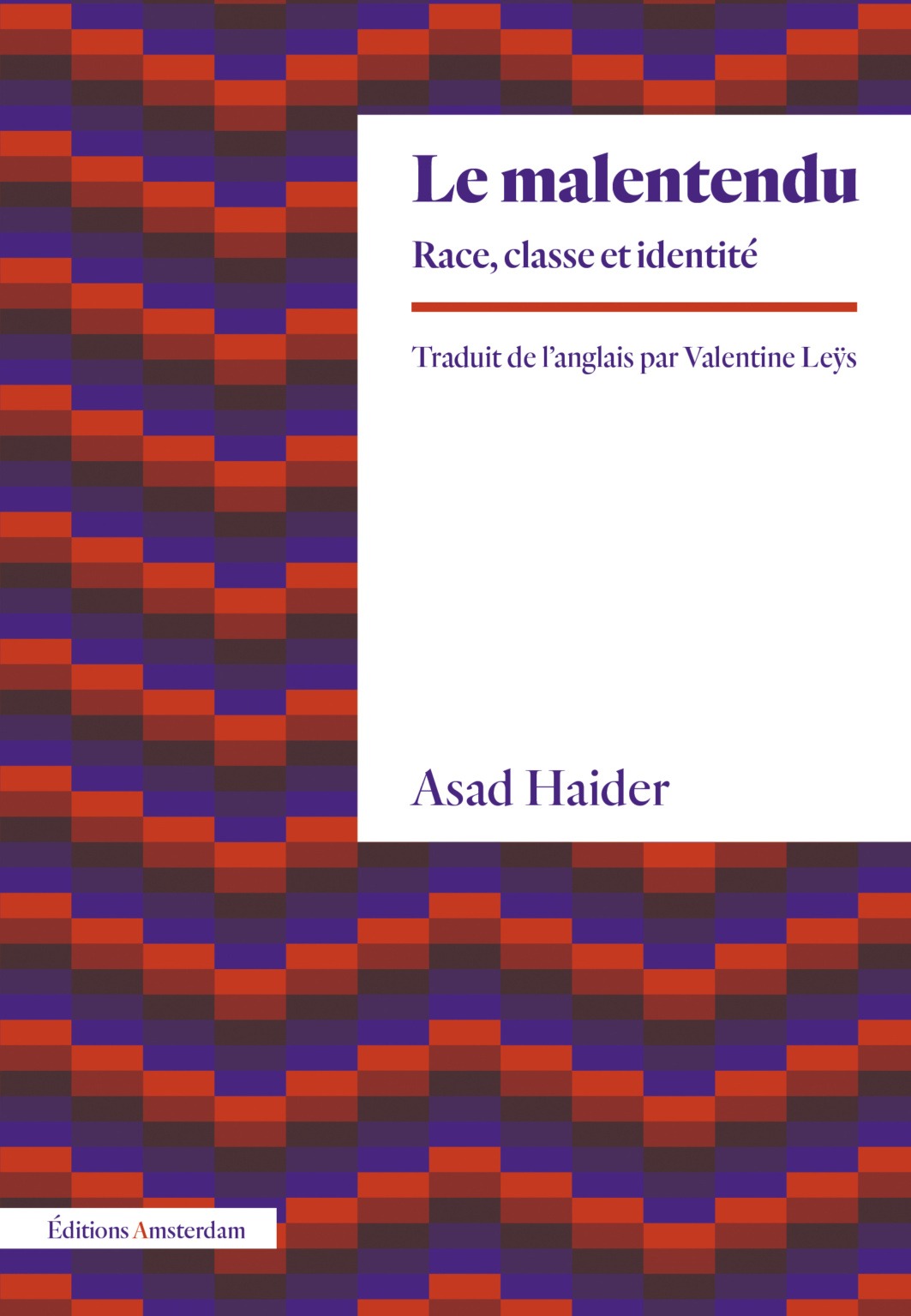
Le malentendu Race,classe et idenité

Les politiques de l’identité sont-elles vraiment porteuses d’une promesse d’égalité ? Pour Asad Haider, il n’en est rien. Au fil d’une analyse qui convoque tant l’héritage des mouvements révolutionnaires noirs que sa propre expérience de militant aux États-Unis, il montre que la compréhension de la race comme identité constitue une impasse pour la lutte antiraciste et, plus largement, pour les mouvements d’émancipation.

Dévoilant la fonction consolatrice du langage de l’identité et son inscription dans une vision libérale du monde, cet essai propose une mise au point essentielle sur des sujets brûlants comme la perspective séparatiste, la rhétorique des identités blessées ou les traits constitutifs de la blanchité. Il en résulte une critique résolue du paradigme de la victimisation, qui non seulement reconduit l’idéologie de la race, mais tend à naturaliser les inégalités. À ce paradigme, Haider oppose la revendication d’une universalité insurgée : celle qui advient quand est mise en acte une pensée politique réclamant la liberté pour tous.

The Waves come in Pairs. Thinking with the Meditteraneans. Thinking with the Mediterraneans A conversation between Etel Adnan and Simone Fattal

In 2021, Etel Adnan and Simone Fattal recorded an intimate conversation about the Mediterranean at their Parisian home, exploring the plural nature of the Mediterraneans—geographical, historical, philosophical, and personal. This publication, emerging from TBA21–Academy’s curatorial fellowship program The Current (2021–23), extends that dialogue to collect interdisciplinary reflections through art, oceanic thinking, science, and activism. The book addresses climate change impacts specific to Mediterranean shores, occurring 20 percent faster than elsewhere globally, and examines how « Mediterraneanization » is becoming an expansive global phenomenon. It records fragments of two years of research conducted through conversations, lectures, walks, trips, live performances, and podcasts, emphasizing the necessity of thinking with—not merely about—the Mediterraneans as plural interconnected cultures and bodies of water undergoing rapid transformation.

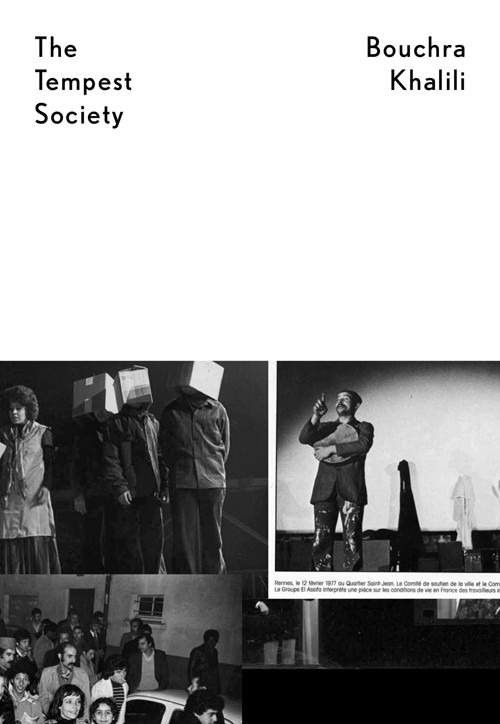
The Tempest Sociey

Gathering together interviews, essays, rare archival material and translations, The Tempest Society revisits and resuscitates the forgotten heritage of a politicised theatre group – ‘Al Assifa’ – that was born out of the struggles of the Mouvement des travailleurs arabes (MTA), Palestine, anti-colonialism, and workers’ and immigrant labour rights. Contributors explore the legacy of the group – placing this history in the context of the European economic crisis and its effect on Greece, contemporary migration and the conditions of immigrant workers and refugees. Conversations with the artist, and participants and collaborators in her film, consider the potential for politicised art to move between the street and the factory in cultural production today.

Following The Tempest Society (2017), the original video installation commissioned for documenta 14, which took Athens as a site to reflect on radical equality, democracy and theatre as a civic space, the book brings to light the specific history, the archive, and the ongoing resonance of the agit-prop theatre group ‘Al-Assifa’ in the context of urgent economic, political and humanitarian upheaval.

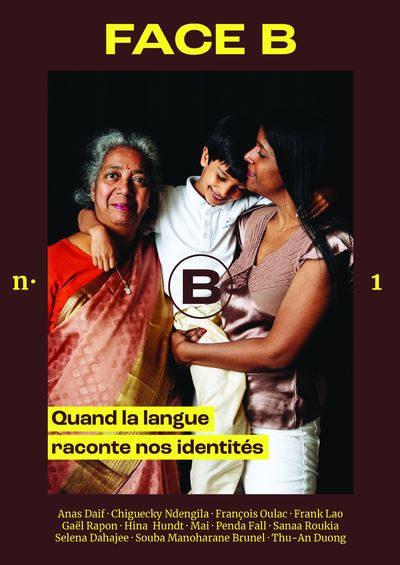
Face B n°1 — Quand la langue raconte nos identités

Face B, un recueil de témoignages et d’articles autour des héritages culturels, de la langue et de sa transmission.

Face B est une revue coéditée par Bissai Media et Faces Cachées pour célébrer les multiples héritages culturels en France. La revue renoue avec une histoire et une mémoire souvent silenciées en donnant une place centrale aux récits et vécus des personnes issues des diasporas afro-descendantes, asiatiques et nord-africaines. Un moyen de mettre en lumière, archiver et transmettre la richesse qui émane de la diversité des identités présentes sur le territoire français. Chaque numéro est le fruit d’un travail collectif rassemblant des journalistes, des auteur.ice.s, des artistes et des expert.e.s concerné.e.s par la thématique à l’honneur.

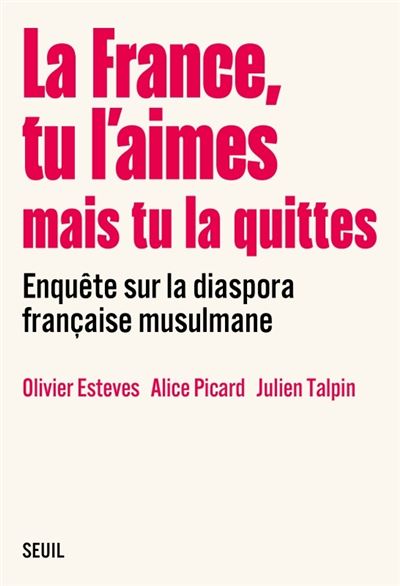
La France, tu l’aimes mais tu la quittes. Enquête sur la diaspora française musulmane

Ils s’appellent Mourad, Samira, Karim, ou bien Sandrine et Vincent. Ils sont nés et ont grandi partout en France, la plupart sont diplômés de l’enseignement supérieur, mais ils ont décidé de s’installer à Londres, Dubaï, New York, Casablanca, Montréal ou Bruxelles… Discriminés sur le marché de l’emploi et stigmatisés pour leur religion, leurs noms ou leurs origines, ces Français de culture ou de confession musulmane trouvent à l’étranger l’ascension sociale qui leur était refusée en France. Ils y trouvent aussi le « droit à l’indifférence » qui leur permet de se sentir simplement français.

Appuyée sur un échantillon quantitatif de plus de 1000 personnes et sur 140 entretiens approfondis, cette enquête sociologique sans précédent met au jour pour la première fois un phénomène qui travaille la société française à bas bruit. En interrogeant ces élites minoritaires, elle détaille leur formation, comment elles se sentent et sont perçues comme musulmanes, les raisons de leur départ, le choix des destinations, l’expérience de l’installation et de la vie à l’étranger, le regard qu’elles portent sur la France, leurs perspectives de retour… Ce n’est pas seulement une fuite des cerveaux que l’ouvrage documente : se révèlent en creux les effets délétères de l’islamophobie qui, vus d’ailleurs, semblent bel et bien constituer une exception française.

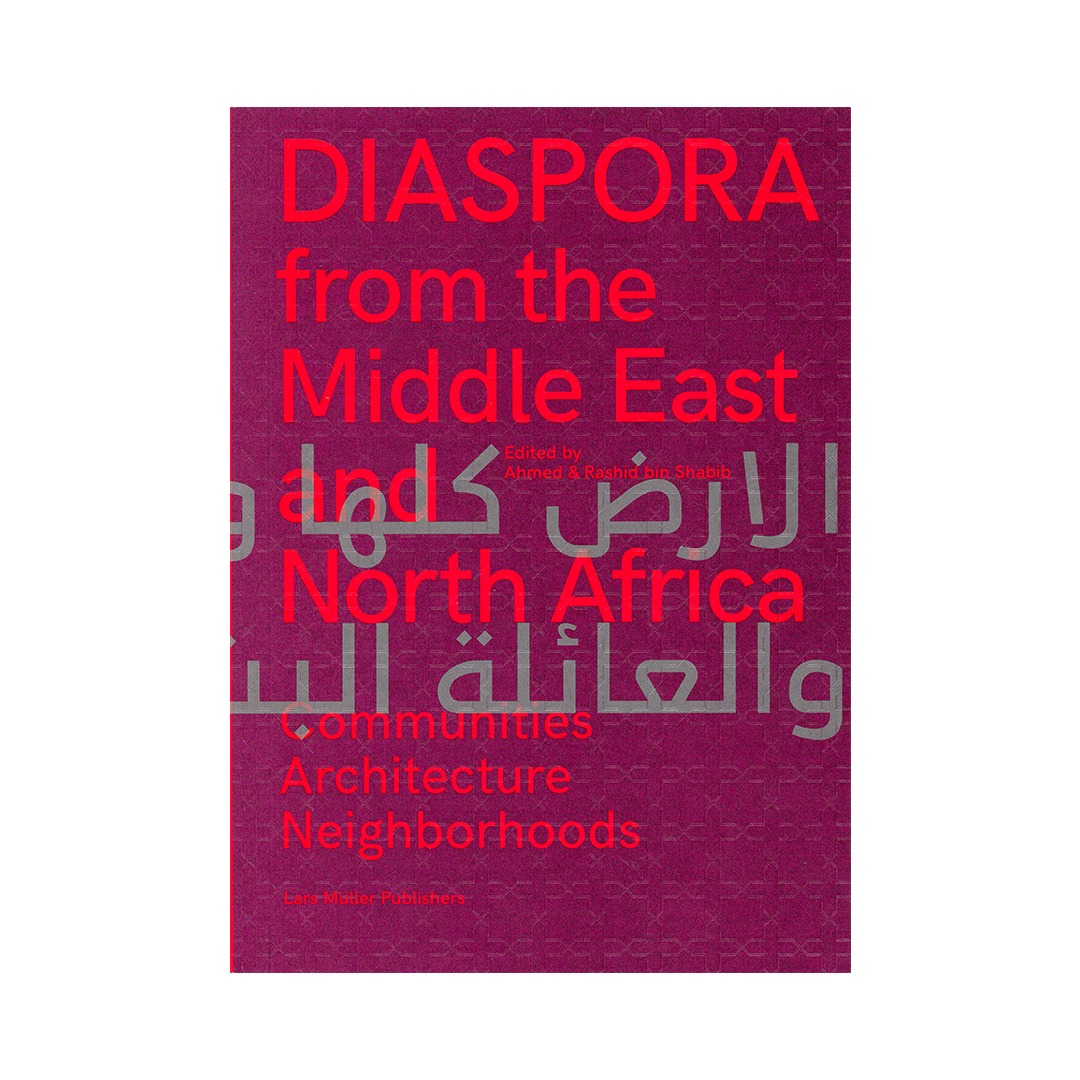
Diaspora from the Middle East and North Africa

From Iranians in Los Angeles to Assyrians in Sweden and Palestinians in Tokyo, this book highlights the diverse young and old diaspora communities of the Middle East and North Africa living all around the world. Drawing from the more than ten-year archive of Brownbook magazine, the book offers extensive coverage of the contemporary culture of this region and its diaspora.

Diaspora of the Middle East and North Africa is a portrait of communities who have planted roots in adoptive cities into which they have now blended. In the light of the ongoing discussion on migration, this publication is an urgent testament that migration from the region isn’t something new but a burning issue today.

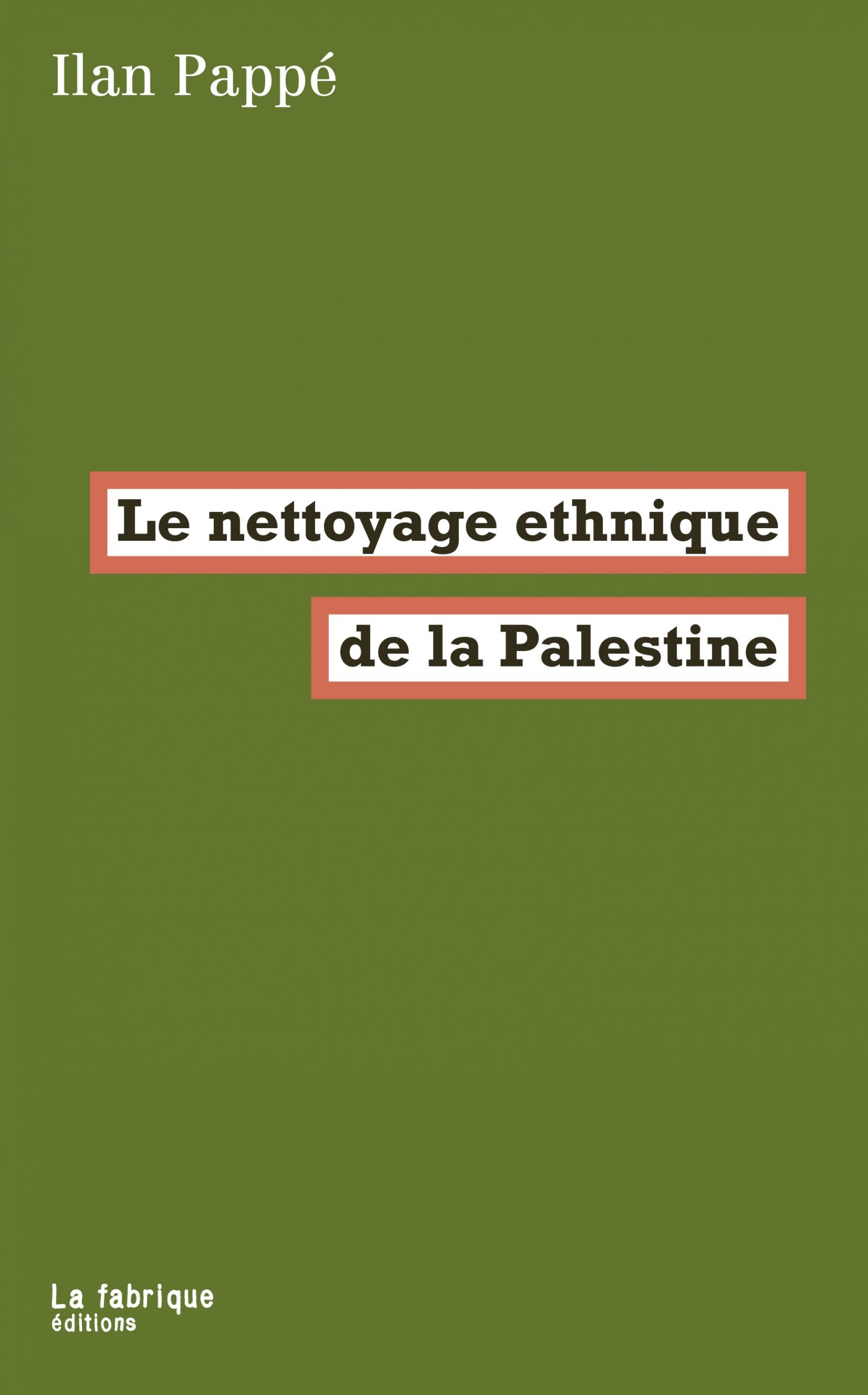
Le nettoyage ethnique de la Palestine

Entre 1947 et 1949, plus de 400 villages palestiniens ont été délibérément détruits, des civils ont été massacrés et près d’un million d’hommes, de femmes et d’enfants ont été chassés de chez eux sous la menace des armes. Ce nettoyage ethnique a été passé sous silence pendant plus de soixante ans et peine encore à être considéré dans sa pleine mesure.

S’appuyant sur quantité d’archives, Ilan Pappé réfute indubitablement le mythe selon lequel la population palestinienne serait partie d’elle-même et démontre que, dès ses prémices, l’idéologie fondatrice d’Israël a œuvré pour l’expulsion forcée de la population autochtone.

Ce qui fut un grand livre d’histoire est aujourd’hui une lecture indispensable hélas éminemment d’actualité.

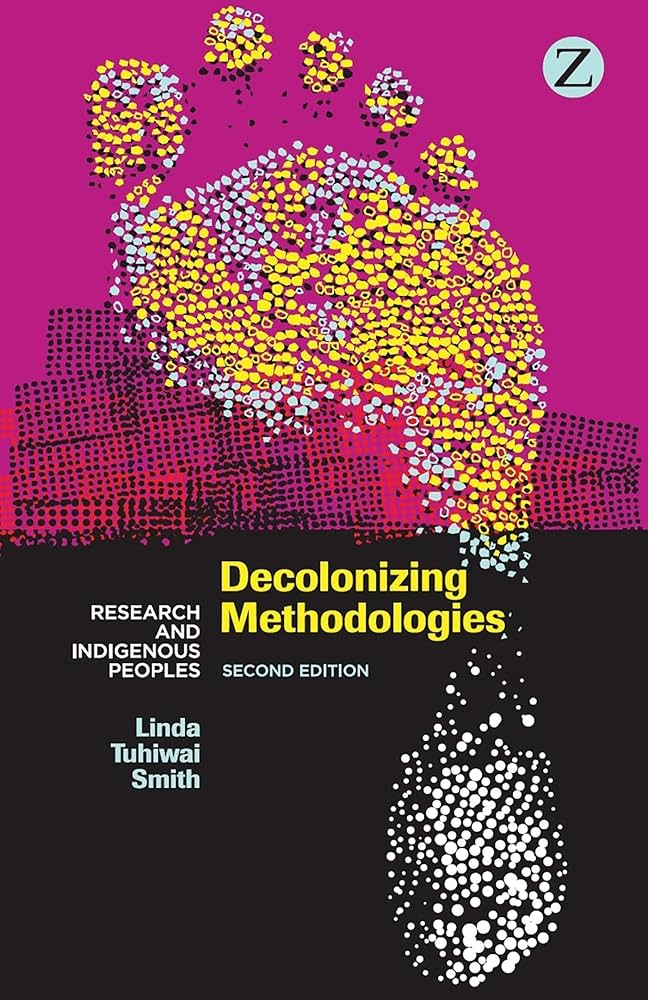
Decolonizing Methodologies Research and Indigenous Peoples

From the vantage point of the colonized, the term ‘research’ is inextricably linked with European colonialism; the ways in which scientific research has been implicated in the worst excesses of imperialism remains a powerful remembered history for many of the world’s colonized peoples. Here, an indigenous researcher issues a clarion call for the decolonization of research methods.

The book is divided into two parts. In the first, the author critically examines the historical and philosophical base of Western research. Extending the work of Foucault, she explores the intersections of imperialism, knowledge and research, and the different ways in which imperialism is embedded in disciplines of knowledge and methodologies as ‘regimes of truth’. Providing a history of knowledge from the Enlightenment to Postcoloniality, she also discusses the fate of concepts such as ‘discovery’, ‘claiming’ and ‘naming’ through which the west has incorporated and continues to incorporate the indigenous world within its own web.

The second part of the book meets the urgent need for people who are carrying out their own research projects, for literature which validates their frustrations in dealing with various western paradigms, academic traditions and methodologies, which continue to position the indigenous as ‘Other’. In setting an agenda for planning and implementing indigenous research, the author shows how such programmes are part of the wider project of reclaiming control over indigenous ways of knowing and being.

Exploring the broad range of issues which have confronted, and continue to confront, indigenous peoples, in their encounters with western knowledge, this book also sets a standard for truly emancipatory research. It brilliantly demonstrates that « when indigenous peoples become the researchers and not merely the researched, the activity of research is transformed. »

NEWSLETTER

Chaque mois, prenez le temps d’embrasser quelques minutes de réconfort avec les productions culturelles du monde arabe et maghrébin, présentées par la newsletter du mat3amclub !